
Rapid Prototyping
NICE help you validate designs, test functionality, and accelerate product development with high-quality silicone and rubber prototypes.
- LSR and Silicone Expert
- AI-assisted Design
- From 1 to 500 Parts
Our Prototyping Capabilities
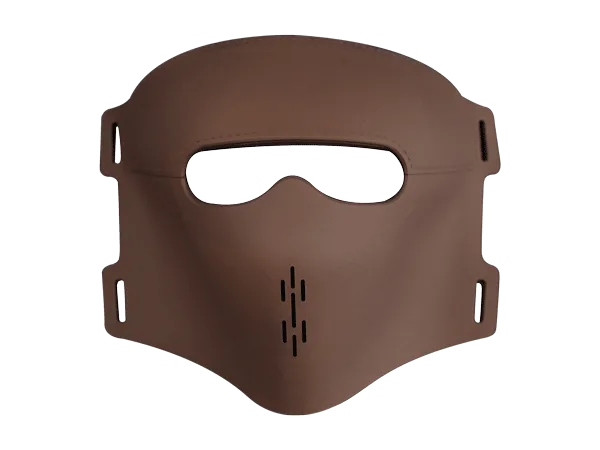
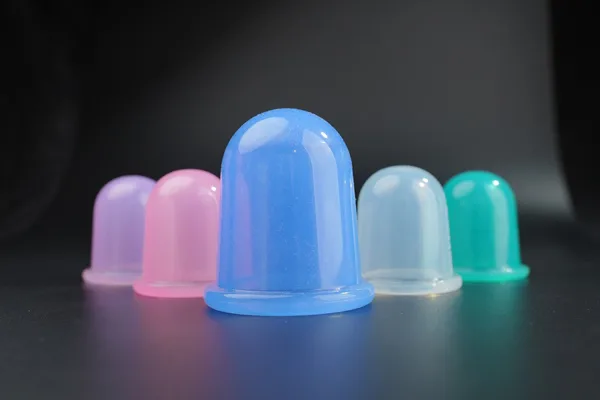
NICE prototyping capabilities cover a wide range of silicone and rubber solutions, enabling fast, precise production of functional and visual samples. We support multiple materials, tight tolerances, and low-volume runs to meet your development needs.

Silicone & Rubber Prototyping
Produce high-quality prototypes using a wide range of silicone and rubber materials, tailored to meet specific performance and application requirements.
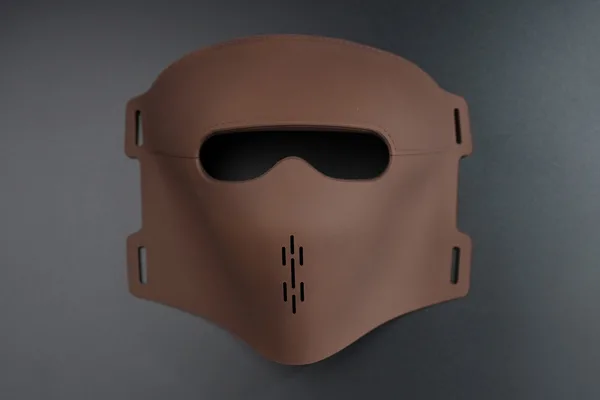
Functional & Visual Prototypes
Deliver prototypes suitable for real-world performance testing as well as visual evaluation and presentation.
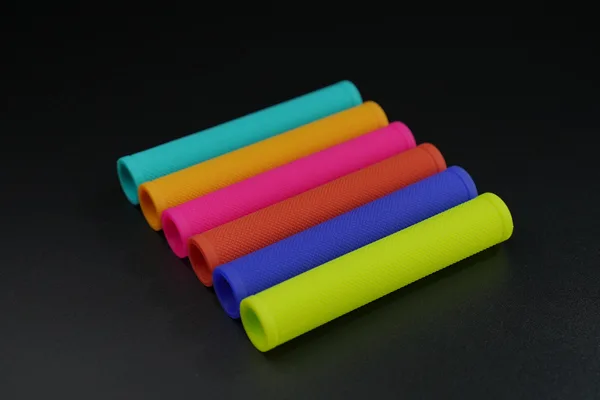
Low-Volume Production
Support small batch production for testing, validation, and early-stage market trials without the need for full-scale manufacturing.
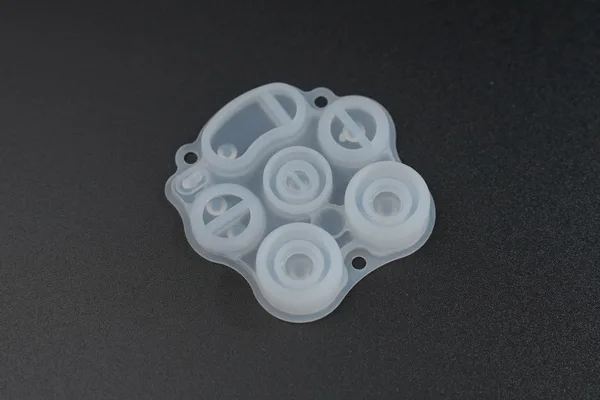
Multiple Material Options
Provide a variety of material choices, including LSR and solid silicone, to match durability, flexibility, and environmental needs.
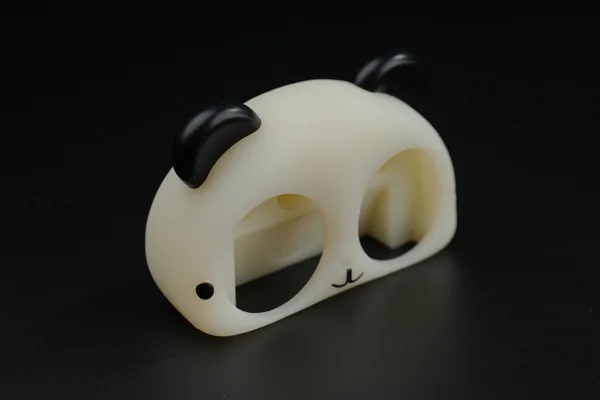
Tight Tolerances
Maintain precise dimensional accuracy to ensure proper fit, function, and consistency across all prototype parts.
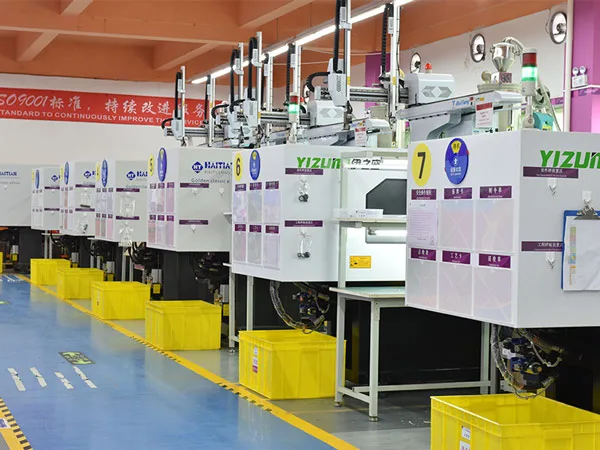
Ready to Bring Your Idea to Life?
Bring your ideas to life with fast, reliable prototyping tailored to your exact needs. Whether you’re refining a concept or preparing for production, our team is here to support you at every stage. Share your design with us today and take the next step toward a successful, market-ready product.
Why Prototyping Matters
Prototyping plays a vital role in the product development process by giving you the opportunity to evaluate, test, and refine your design before committing to full-scale production. By creating early-stage samples, you can assess critical factors such as fit, function, material performance, and overall usability in real-world conditions. This allows potential design flaws, manufacturing challenges, or performance issues to be identified and addressed at an early stage.
In addition to reducing technical risks, prototyping helps minimize costly design changes later in the production cycle. It enables faster iterations, better decision-making, and clearer communication between design, engineering, and manufacturing teams. Whether you are developing a new product or improving an existing one, prototyping ensures that every detail is optimized before scaling up.
Ultimately, an effective prototyping process shortens development timelines, improves product quality, and increases confidence in your final product. It ensures that what goes into mass production meets your exact specifications, performs reliably, and delivers the best possible experience to end users.

Our Prototyping Process
How It Works
Submit your design or idea
Design review & DFM feedback
Prototype production
Testing & refinement
Prototyping FAQs
We offer both functional and visual prototypes using silicone and rubber materials, suitable for testing, validation, and presentation.
We support a variety of materials including liquid silicone rubber (LSR), solid silicone, and other elastomers depending on your application needs.
Lead times vary by complexity, but most prototypes can be delivered within a few days to a couple of weeks.
Yes, our engineering team provides design optimization and Design for Manufacturing (DFM) guidance to improve quality and reduce costs.
Absolutely. We can seamlessly transition from prototyping to low- and high-volume production.
We accept common 3D and 2D formats such as STEP, IGES, STL, and CAD drawings, etc.
We follow strict quality control processes, including dimensional inspection and material verification.
Yes, all customer designs and data are handled with strict confidentiality, and NDAs can be provided upon request.